Metabolism

Stable isotope tracers to quantify biochemical and metabolic reactions in vivo
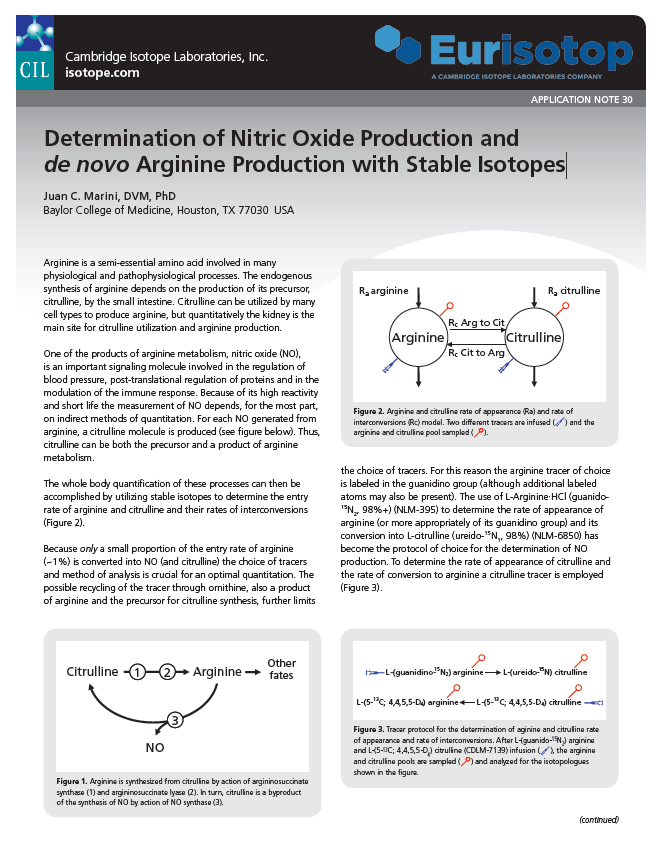
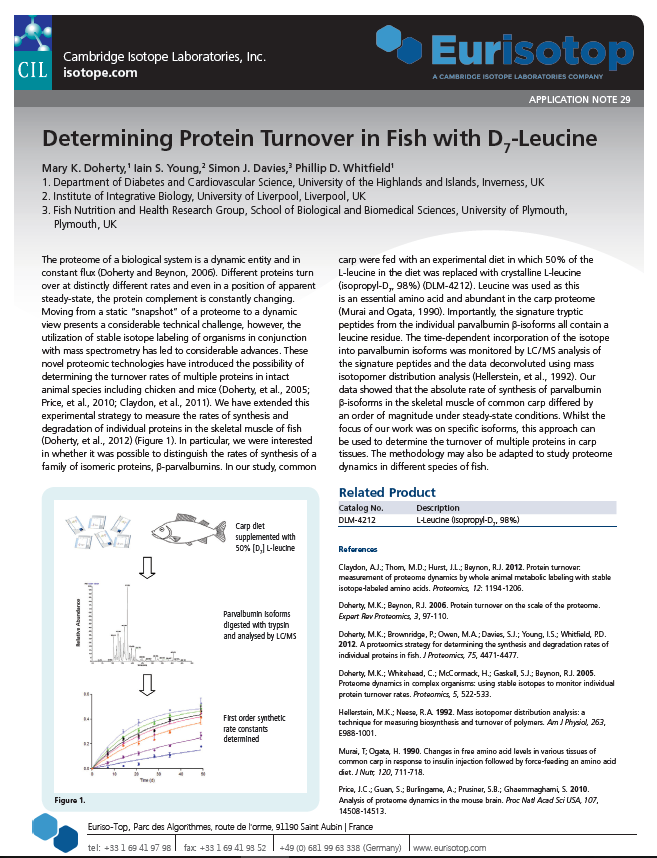
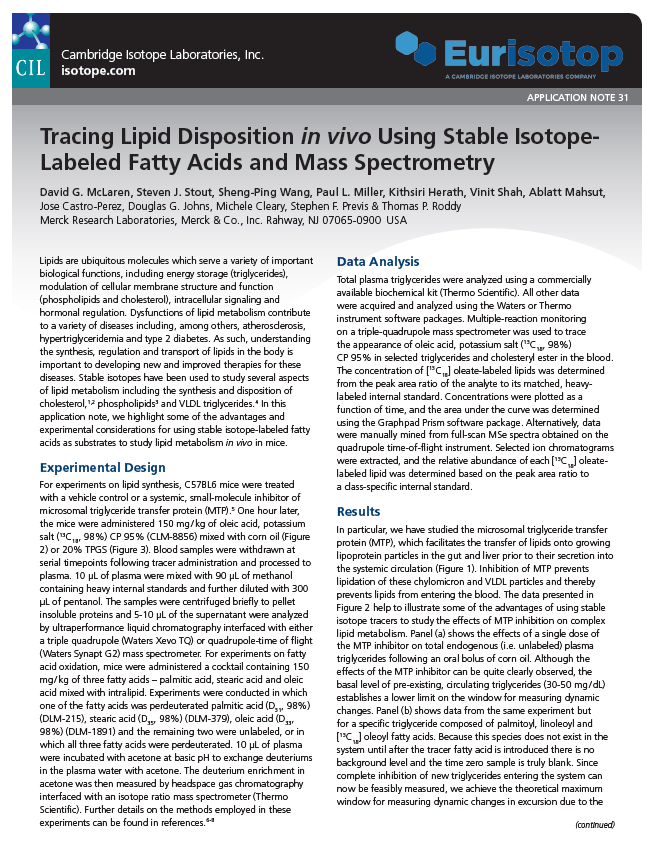
Researchers employ stable isotope techniques to study a wide variety of metabolic disorders and diseases including Alzheimer's, Parkinson's, cancer, diabetes, and obesity. Isotopes are most commonly used in metabolism research as tracers to quantify biochemical or metabolic reactions in vivo. They can be used to study metabolic pathways, determine biomarkers, test the effects of a drug, and develop metabolic profiles of biological systems in a particular state.
Cancer
Diabetes & obesity
🔬 Researcher Perspective: fluxing through cancer
The Stable Isotope Labeling Kinetics (SILK™) approach has been used to measure the metabolism of brain-derived proteins implicated in neurodegeneration, relying on a 13C6-leucine tracer to track protein production and clearance in vivo — the same underlying principle used to study metabolic flux in cancer research.
Product Grades
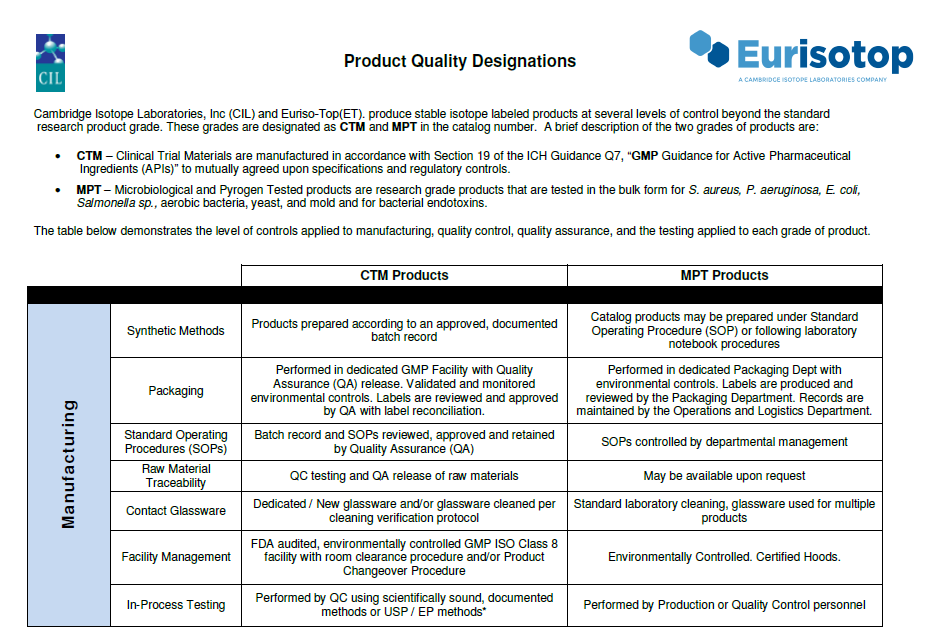
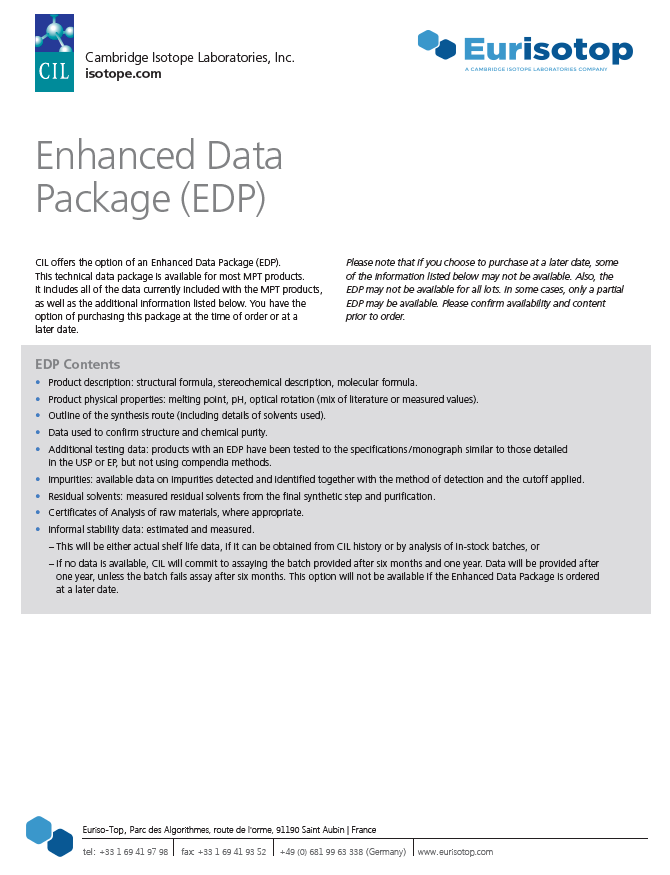
Eurisotop provides additional testing to many of our products as a service to our customers. The documents below describe the nature of these products, the different levels of control applied to them, and the Enhanced Technical Data Package that is available for some products.
Related Products